
Information
The Most Common Acute Illnesses in Childhood
I assess sudden-onset conditions such as fever, cough, diarrhoea and rashes, and draw the right line between home care and further investigation.
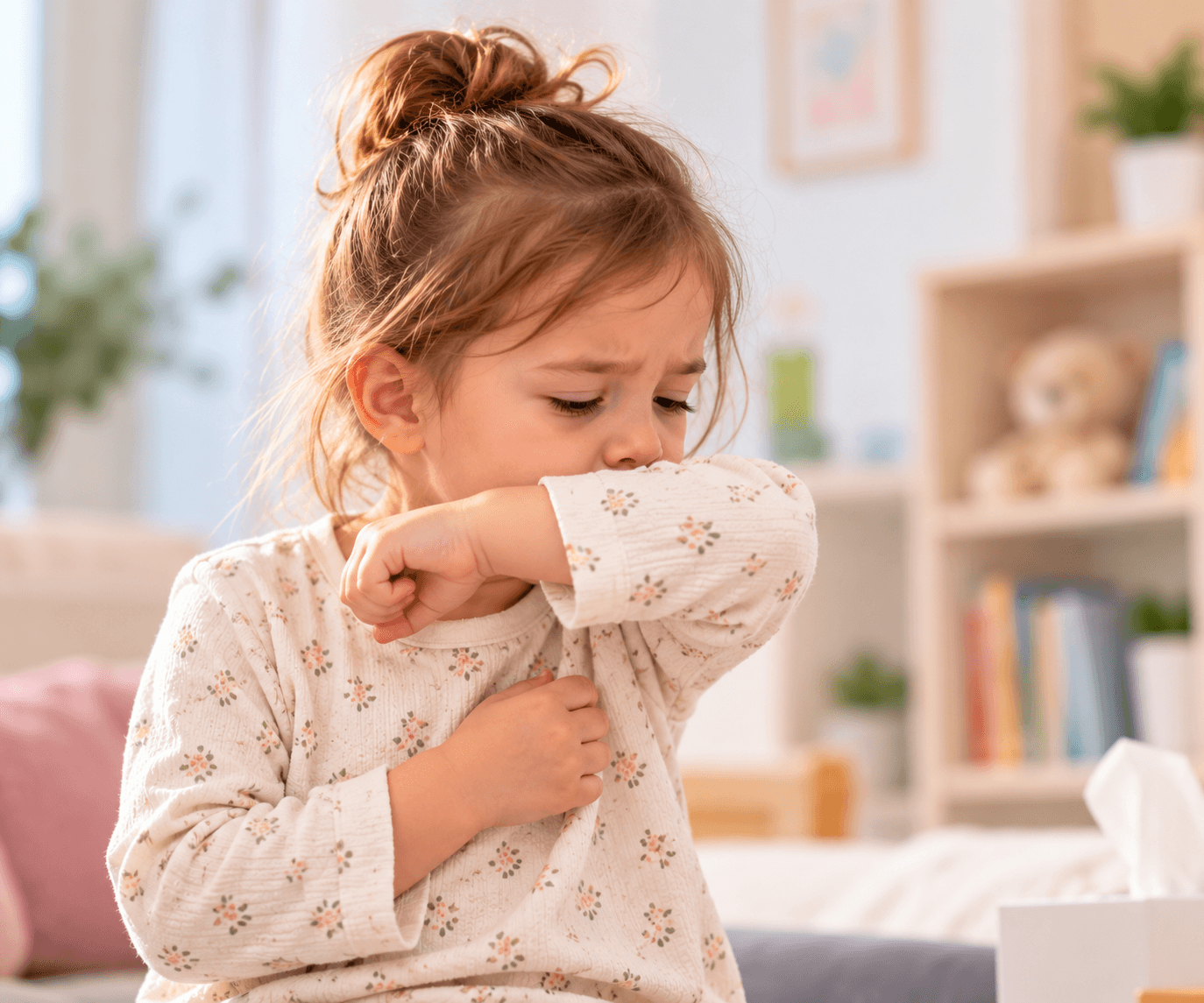
What is an acute illness?
Acute illness is the name for conditions that start suddenly and usually last a short time: fever, cough, sore throat, vomiting, diarrhoea and rashes are the most common members of this group. In childhood, most of these are caused by viruses and get better on their own with the right support. My job is to tell the condition that will pass by itself apart from the one that needs further investigation or treatment.
How do I assess?
At the visit I look not only at the day's complaint but at the child's general appearance, feeding, fluid intake and history together. I make it a principle to avoid unnecessary tests and unnecessary antibiotics: knowing what to watch for is often worth more to a family than medication. That is why you leave every visit with a home-care plan: which findings can be expected, and which should bring you back.
The basics of home care
- With diarrhoea and vomiting, small and frequent sips of fluid are key.
- With cough, plenty of fluids and clearing the nose usually come before medicines; I do not recommend over-the-counter cough syrups for preschool children.
Seek care without waiting
Difficulty breathing, blue discolouration, a change in consciousness, a rash that does not fade under pressure, inability to take fluids, reduced urine, and any fever in a baby under 3 months: these findings should be assessed without waiting for an appointment. Reaching me whenever you are unsure is not a bother; it is what I would prefer.
Frequently asked questions
Does every fever need antibiotics?
No. Most childhood infections are caused by viruses, and antibiotics have no effect on viruses. I recommend antibiotics only after an examination and, where needed, tests, when I suspect a bacterial infection.
What is the first thing to do for diarrhoea?
Replace lost fluids. Breastfeeding more often in a breastfed baby, and giving small, frequent amounts of fluid in an older child, is often the most important treatment. Bloody diarrhoea, being unable to keep fluids down because of vomiting, and reduced urine need an examination.
When is a rash an emergency?
A rash that does not fade under pressure, a rash that spreads rapidly with fever, and a child who seems generally unwell should be assessed without delay.
Other areas of interest
Childhood Obesity and Nutrition Guidance
From poor appetite to weight management, from picky eating to iron deficiency: together we shape your child's nutrition for their age.
DetailsFollow-up of Children with Allergy and Eczema
I assess food and respiratory allergies, eczema and recurrent wheezing, and build the daily care plan together with the family.
DetailsSleep Routines in Babies and Children
From sleep training to night waking, together we build a sleep routine that suits your child's age and your family.
Details